Updated 03/05/2020 – More coverage:
New York Post – Lacoste Gloves Made in Chinese Internment Camp, Rights Group Claims.
ABC News – Lacoste Gloves Made in Chinese Internment Camp.
Update – The New York Times in now reporting that Lacoste gloves were made with forced Uighur labor. You can read more in the Time’s story.
Lacoste is on of the eighty-three brands called out for using slave labor in their Chinese factories by the Australian Strategic Policy Institute (ASPI), a non-partisan think tank. The ASPI has released a study entitled “Uighurs For Sale” reporting “that it had significant evidence of the Chinese communist regime shipping ethnic Uyghurs out of their native Xinjiang, or East Turkestan, to factories nationwide, where they endured long hours, barely received pay, and did not appear to be able to move freely.” According to the Australian Think Tank’s report:
“The Chinese government has facilitated the mass transfer of Uyghur and other ethnic minority citizens from the far west region of Xinjiang to factories across the country,” … “Under conditions that strongly suggest forced labour, Uyghurs are working in factories that are in the supply chains of at least 83 well-known global brands in the technology, clothing and automotive sectors, including Apple, BMW, Gap, Huawei, Nike, Samsung, Sony and Volkswagen.”
You can find the original study at the ASPI site or read more at Breitbart.
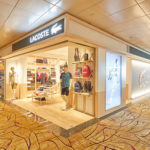 On March 20th, Lacoste announced the reopening of a Le Club duty free store in Singapore Changi Airport Terminal Two. The company says the 700 square foot store aims to “offer a premium shopping experience to local and international travelers.”
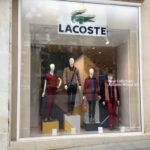 Lacoste revealed Friday that volunteer workers at its historic factory in Troyes, France, produced 100,000 masks in recent weeks and they are being donated to essential businesses and nursing homes. The French lifestyle brand announced on Instagram that it had reached the impressive milestone with its production of masks:
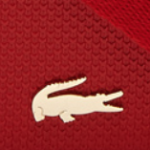 This Spring, Lacoste’s signature green crocodile logo will receive triple makeovers from three artists, Samuel Borkson and Arturo Sandoval III of #FriendsWithYou, #Jeremyville, and #JeanMichelTixier. Known for their optimistic graphics and positive world view, they have translated the French house’s timeless classics style with joyful, off-beat, and colorful range of ready-to-wear pieces in three limited-edition collections.